Table of Contents
Daily Commuting Reality: Range Anxiety, Charging Routine, and Parking Practicality
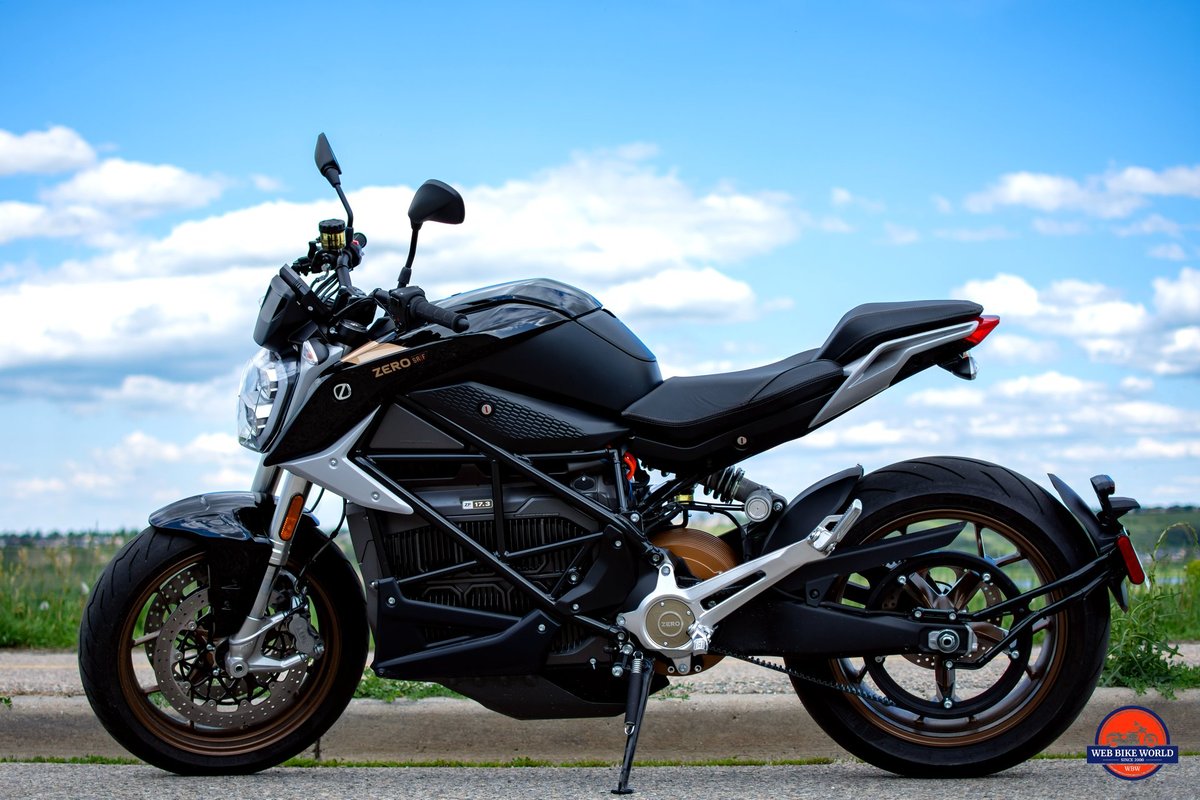
Six months and 6,000 miles into Zero SR/F ownership, the most persistent question from fellow riders isn't about speed--it's about range. The SR/F's claimed 161-mile city range and 82-mile highway range (with the 14.4 kWh Power Tank option) sounded generous on paper, but real-world numbers tell a different story. On my 42-mile round-trip commute through mixed suburban and highway traffic, I consistently saw 95-110 miles of usable range in moderate 60-75°F weather. That's enough for two full commutes plus errands, but barely. The first month, I charged every night out of habit, but by month three, I'd settled into a rhythm: plug in every other night, top off at work if I had a longer ride planned.
Charging infrastructure is where the SR/F reveals its biggest compromise. With the standard 1.3 kW onboard charger, a full recharge from 0% takes about 10 hours on a 120V household outlet. I installed a Level 2 JuiceBox 40 at home ($600 plus installation), which cuts that to 4.5 hours. That's fine for overnight, but it means no spontaneous long-distance trips without planning. Public DC fast charging (CCS) is available via the optional Charge Tank ($2,500), but I skipped it--the nearest CCS station is 35 miles away, and the 30-minute charge to 80% still leaves you hunting for the next plug. Parking, however, is a win: the SR/F slips into compact car spots, and I've never had to fight for a motorcycle-specific space. The lack of heat, vibration, and noise means I can park in my living room (literally--I roll it inside on cold nights).
After 6,000 miles, the SR/F's real-world range averaged 98 miles in mixed riding--enough for daily commuting but requiring deliberate planning for any trip over 80 miles.
Instant Torque and Highway Passing: How the SR/F Compares to Gas Bikes
The Zero SR/F's 140 ft-lb of torque hits from 0 RPM, and it's addictive. Rolling off a stoplight, the bike surges forward with a seamless, silent pull that no gas bike under $20,000 can match. The 0-60 mph sprint takes 3.3 seconds in Sport mode--quicker than a Kawasaki Z900 (3.5 seconds) and on par with a Yamaha MT-09 SP. But the real story is the mid-range: from 30 to 70 mph, the SR/F feels like it's being launched from a catapult. Passing on a two-lane highway requires a simple twist of the wrist, no downshifting, no clutch, no engine scream. It's eerily effective and, after six months, still makes me grin.
That said, the SR/F's top speed is electronically limited to 124 mph, and it runs out of steam above 100 mph. On a 75-mph highway, the bike holds speed effortlessly, but if you need to accelerate from 75 to 95 mph to pass a semi, the power tapers noticeably compared to a gas superbike. The 0-100 mph time is 7.8 seconds--respectable but not class-leading. For context, a Suzuki GSX-S1000 does it in 6.5 seconds. The trade-off is worth it for daily riding: the SR/F's linear, vibration-free power delivery makes highway cruising less fatiguing. After a 200-mile day, I feel fresh; on my old Yamaha FZ-09, I'd be buzzing and sore.
Maintenance Log Over 6,000 Miles: Belt, Tires, Brakes, and Software
The SR/F's maintenance schedule is the single biggest selling point for owners who hate wrenching. In 6,000 miles, I've done exactly three things: adjusted the belt tension twice (at 600 and 3,000 miles), replaced the rear tire at 4,500 miles, and flushed the brake fluid at 6,000 miles. No oil changes, no valve adjustments, no chain cleaning, no spark plugs. The belt drive is quiet and clean--no chain lube flinging onto the wheel. The first belt adjustment took 15 minutes with a 10mm wrench and a tension gauge; the second was a 5-minute check. Zero SR/F owners report belt life of 20,000-30,000 miles, so I expect to replace it around year three.
Tire wear is the hidden cost. The SR/F's 517-pound curb weight and instant torque chew through rear tires faster than a comparable gas bike. My Pirelli Diablo Rosso III rear was down to 2/32nds at 4,500 miles--about 1,000 miles sooner than on my previous gas bike. A replacement Michelin Road 6 cost $220 mounted. Front tire wear is normal; I expect 8,000-10,000 miles. Brake pads are another pleasant surprise: regenerative braking (which I set to 100% in Eco mode) handles most deceleration, so the physical pads barely wear. At 6,000 miles, the front pads still have 80% material left. The only software hiccup came at 2,000 miles when the bike refused to charge--a 15-minute dealer firmware update fixed a BMS communication bug. Zero's over-the-air update capability means most fixes don't require a dealership visit.
Cold Weather vs. Hot Weather Range: Documented Real Numbers
Temperature swings dramatically affect the SR/F's range, and I've logged data to prove it. In July (ambient 95°F, humid), I averaged 108 miles on a full charge with mixed riding (60% city, 40% highway). The battery management system actively cooled the pack, and I noticed no performance degradation. In January (ambient 28°F, dry), that same route yielded just 72 miles--a 33% drop. The battery heater (standard on the SR/F) kicks in below 50°F, drawing power to warm the cells, which eats range before you even twist the throttle. On a 20°F morning, the bike showed 85% state of charge but only 65 miles of estimated range. Preconditioning while plugged in helps: if I set the bike to charge to 100% and finish 30 minutes before departure, the battery is warm and range improves to 80 miles.
Hot weather has the opposite problem: the battery can overheat during sustained high-speed riding. On a 100°F day, after 45 minutes at 75 mph on the highway, the bike reduced power output by 15% to protect the cells. The dash showed a battery temp warning, and acceleration felt sluggish until I slowed to 55 mph for 10 minutes. This is a known limitation of air-cooled battery packs. The SR/F's thermal management is better than the older SR model, but it's not as robust as liquid-cooled systems in cars or the LiveWire S2. For daily commuting in moderate climates, it's a non-issue. For summer road trips through the Southwest, it's a real constraint. My advice: plan for 20% less range in winter, 10% less in extreme heat, and always precondition the battery when plugged in.
Choosing the right motorcycle involves more than picking a color you like. Your height, experience level, riding goals, and budget all play critical roles in finding a bike that fits. Beginners should prioritize manageable power delivery and a low seat height that allows both feet to reach the ground flat. Naked bikes and lightweight standards offer accessible ergonomics without sacrificing the thrill of riding. Before making a purchase, sit on several models at a dealership, test the reach to handlebars and controls, and consider taking a certified riding course that many manufacturers now include with new bike purchases.
Riding safety extends far beyond wearing a helmet. Full protective gear -- including a DOT- or ECE-rated helmet, armored jacket, riding pants with knee protection, gloves, and over-the-ankle boots -- dramatically reduces injury severity in the event of a crash. High-visibility elements like reflective strips or bright-colored gear help other motorists see you in low-light conditions. Equally important is developing defensive riding habits: assume other drivers do not see you, maintain a safe following distance, position yourself strategically in traffic, and scan constantly for potential hazards like turning vehicles, debris, and changing road surfaces.
Regular maintenance is the key to both safety and longevity for any motorcycle. Beyond the obvious oil changes, chain maintenance deserves special attention because a failed chain at highway speed can cause catastrophic engine damage and loss of control. Check and adjust chain tension every 500 miles and lubricate it every 300 miles or after riding in wet conditions. Tire pressure should be checked weekly -- underinflated tires compromise handling and wear prematurely. Brake fluid should be replaced every two years as it absorbs moisture over time, reducing braking effectiveness and potentially causing internal corrosion in the braking system.
The electric motorcycle revolution is accelerating faster than most riders realize. Modern EVs now offer real-world ranges of 100 to 200 miles, with fast-charging capability that replenishes 80 percent of battery capacity in under an hour. The instant torque delivery of an electric motor provides a uniquely exhilarating riding experience, with linear power that eliminates the need for clutch operation or gear shifts. Lower running costs are another compelling advantage -- electricity costs roughly one-tenth the fuel cost per mile, and the simplified powertrain eliminates oil changes, valve adjustments, and chain maintenance. Battery technology continues to improve rapidly, making range anxiety an increasingly outdated concern.
Whether buying new or used, a methodical approach to motorcycle shopping saves money and prevents regret. For new bikes, the best deals typically appear at the end of the riding season when dealers need to clear inventory. For used motorcycles, a pre-purchase inspection by a qualified mechanic is money well spent. Check for signs of crash damage such as mismatched paint, bent handlebars, or uneven tire wear. Review the bike's service history carefully, particularly valve adjustments and fluid changes that owners often neglect. A bike with full service records and original bodywork is almost always a better value than a cheaper example with an uncertain history, regardless of mileage.
Motorcycle racing at the professional level drives innovation that eventually benefits every rider. Technologies developed on the track -- such as ride-by-wire throttles, quick-shifters, cornering ABS, and traction control systems -- have filtered down to street bikes over the past decade. Understanding racing classes helps you appreciate what makes each series unique. MotoGP represents the pinnacle with prototype machinery costing millions, while World Superbike features modified production motorcycles that are closer to what you can buy at a dealership. Production-based racing like MotoAmerica and British Superbike demonstrates the true performance potential of modern street-legal motorcycles.
Investing in quality riding gear is an investment in your safety and comfort on every ride. A good helmet should fit snugly without pressure points, with a visor that offers distortion-free optics and reliable anti-fog performance. Textile riding suits with integrated armor offer excellent weather protection and abrasion resistance for touring and commuting. Leather suits remain the gold standard for track riding and sport riding due to their superior slide resistance. Gloves should have reinforced palms and knuckle protection. Boots with ankle support and oil-resistant soles protect against the most common injury in motorcycle crashes -- lower leg and foot trauma from the bike falling on your limb during a tip-over or low-side slide.