Table of Contents
Engine and Chassis Evolution: Lighter, Stronger, Sharper
The BMW R 1300 GS represents the most significant generational leap in the GS lineup since the introduction of the water-cooled boxer in 2013. At its heart is a completely redesigned 1,300 cc boxer twin engine that produces 145 horsepower at 7,750 rpm and 110 lb-ft of torque at 6,500 rpm. That's a 10-horsepower increase over the outgoing R 1250 GS, but the real story is the 27-pound weight reduction--the new bike tips the scales at just 523 pounds wet, making it the lightest full-size GS ever.
The chassis has been reworked from the ground up. BMW moved the engine 2.5 inches lower and 1.2 inches forward in the frame, dramatically lowering the center of gravity. The result is a motorcycle that feels 50 pounds lighter than the spec sheet suggests. The new EVO Telelever front suspension and EVO Paralever rear suspension provide 7.5 inches of travel front and rear, with revised geometry that delivers sharper turn-in without sacrificing high-speed stability. On the highway, the R 1300 GS tracks arrow-straight at 80 mph, yet it flicks through switchbacks with a nimbleness that defies its adventure-touring category.
Key Stat: The R 1300 GS is 27 pounds lighter than the R 1250 GS, yet produces 10 more horsepower--a 7% power-to-weight improvement that translates to quicker acceleration and easier off-road handling.
BMW also redesigned the six-speed gearbox with closer ratios for sportier response, and the optional Shift Assistant Pro quickshifter now works flawlessly at low RPMs, making stop-and-go traffic far less fatiguing. The clutch pull is lighter than ever, and the slipper clutch eliminates rear-wheel hop during aggressive downshifts. For long-distance riders, these refinements add up to a motorcycle that feels more athletic and less cumbersome after a 400-mile day.
Fully Loaded Touring Capability: Comfort, Cargo, and Range
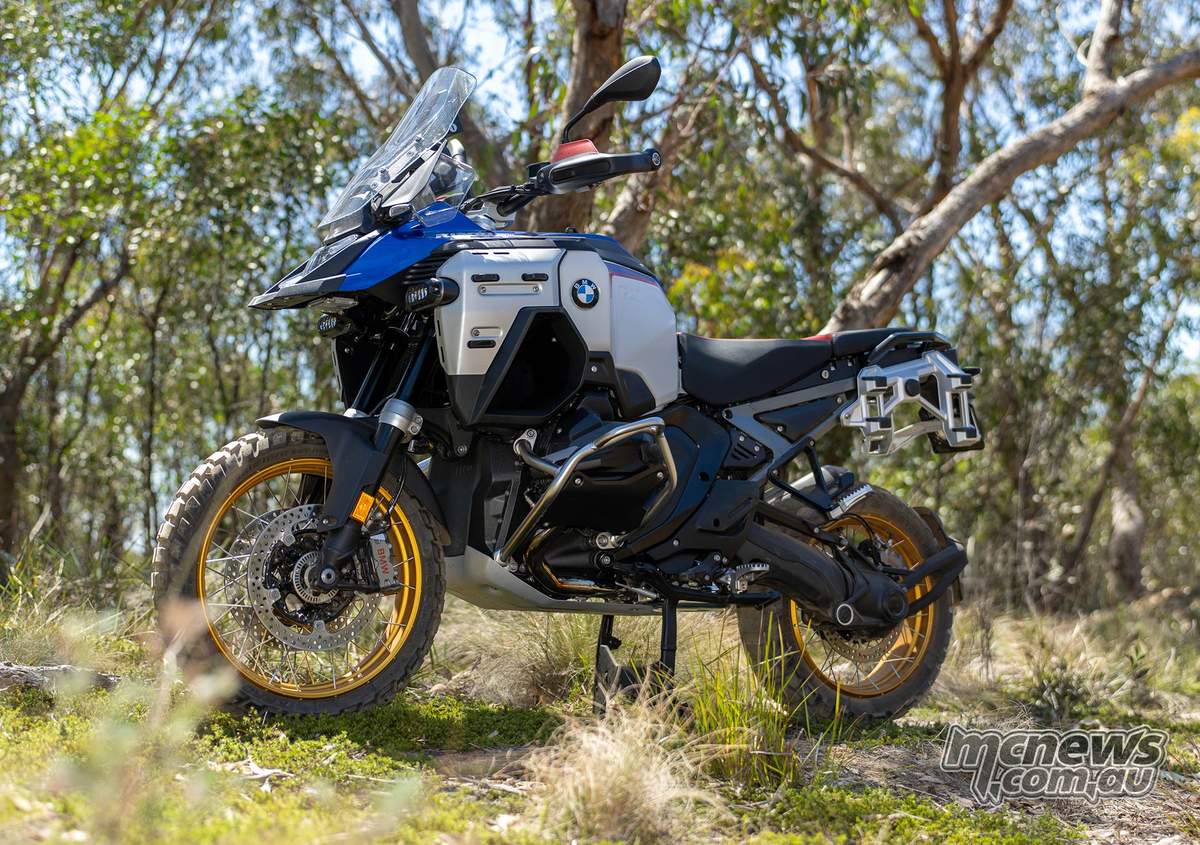
When equipped with the Touring package, the R 1300 GS transforms into a continent-crossing machine. BMW's new Vario cases offer 36 liters of capacity on the left and 33 liters on the right, with a top case that holds 38 liters--enough for two full-face helmets. The mounting system is tool-free and the cases lock securely to the bike, with a one-key system that simplifies fuel stops. The luggage sits closer to the bike's centerline than before, reducing the leverage effect that can make a loaded bike feel top-heavy.
Passenger comfort has been a priority. The new seat is 0.8 inches wider and features a contoured shape that prevents sliding forward under braking. The passenger grab handles are integrated into the subframe, providing a solid grip without adding bulk. Heated seats are available for both rider and passenger, and the adjustable windscreen offers 4.7 inches of travel, effectively buffeting even at 90 mph. With the 5.8-gallon fuel tank, expect a real-world range of 280 to 320 miles depending on riding style--enough to skip a gas stop on most long stretches.
The 400-mile fuel range claim requires the optional 7.9-gallon Adventure tank, which adds 2.1 gallons but also adds 15 pounds. For serious long-distance touring, it's a worthwhile trade-off. The bike's cruise control is standard, but the adaptive cruise control (ACC) option takes it to another level, automatically adjusting speed to maintain a set following distance from vehicles ahead. On a cross-country trip, ACC reduces mental fatigue significantly, allowing you to focus on the road and scenery rather than constant throttle adjustments.
Off-Road Performance with the Enduro Pro Package
The Enduro Pro package is the R 1300 GS's secret weapon for serious off-road riding. It includes fully adjustable suspension with 8.3 inches of travel front and rear--nearly an inch more than the standard bike--along with a reinforced skid plate, off-road footpegs, and a high-mount front fender. The suspension uses BMW's Dynamic ESA (Electronic Suspension Adjustment) with automatic load compensation, meaning the bike self-levels regardless of cargo weight. In Enduro Pro mode, the suspension firms up to reduce bottoming out over whoops and g-outs, yet remains compliant enough to track through rocky sections.
Ground clearance is a generous 10.2 inches, and the new 19-inch front wheel (down from 19 inches on the R 1250 GS) is paired with a 17-inch rear, both shod with Metzeler Karoo 4 tires that provide excellent bite on loose surfaces. The engine's torque curve is perfectly suited for off-road work: 80% of peak torque is available from 3,000 rpm, so you can crawl over obstacles without constant clutch work. The new Enduro Pro riding mode adjusts throttle response, ABS, and traction control to allow controlled rear-wheel slide, while the off-road ABS disables rear-wheel ABS entirely for maximum braking control on dirt.
Electronics play a crucial role off-road. The six-axis IMU detects lean angle and wheel slip in milliseconds, adjusting power delivery to maintain traction. The Hill Start Control feature holds the brakes for two seconds after release, making uphill starts on loose terrain effortless. For experienced off-road riders, the Enduro Pro package transforms the R 1300 GS from a capable dirt-road tourer into a genuine off-road weapon that can tackle single-track trails and rocky ascents with confidence.
Technology Deep Dive: ACC, Blind Spot Detection, and the 6.5-Inch TFT
BMW has loaded the R 1300 GS with technology that rivals premium automobiles. The adaptive cruise control (ACC) uses a forward-facing radar mounted behind the headlight to maintain a set speed and following distance. You can adjust the following distance in four levels, and the system works from 20 mph up to 110 mph. In practice, ACC is smooth and intuitive--it doesn't slam on the brakes when a car cuts in, but rather eases off the throttle and applies gentle braking. It's a major advance for long highway slogs, reducing the constant micro-adjustments that cause rider fatigue.
Blind spot detection is a first for a BMW motorcycle. Two rear-facing radar sensors monitor the lanes beside and behind the bike, illuminating LED indicators in the mirrors when a vehicle is in your blind spot. The system is active at speeds above 20 mph and provides both visual and haptic alerts (through the heated grip vibration) if you signal a lane change with a vehicle in the blind spot. It's not a substitute for a proper shoulder check, but it adds an extra layer of safety, especially in heavy traffic or when riding in a group.
The 6.5-inch TFT display is bright, crisp, and responsive, even in direct sunlight. It offers four display layouts: Pure, Sport, Tour, and Off-Road, each prioritizing different information. The Tour layout shows fuel range, average speed, and navigation prompts, while Off-Road displays wheel slip, suspension settings, and a lean angle gauge. BMW's Connected app allows for smartphone integration, including music control, phone calls, and turn-by-turn navigation displayed directly on the TFT. The screen is glove-friendly, and the menu system is logically organized--no digging through submenus to find the heated grip setting.
Other notable tech includes keyless ride (no fumbling for keys), tire pressure monitoring, and six riding modes (Rain, Road, Dynamic, Enduro, Enduro Pro, and Dynamic Pro). Each mode adjusts throttle response, ABS, traction control, and suspension damping. The Dynamic Pro mode allows for rear-wheel slide on pavement, while Enduro Pro unlocks the full off-road capability. For the tech-savvy rider, the R 1300 GS offers a level of customization that makes every ride feel tailored to the conditions.
Choosing the right motorcycle involves more than picking a color you like. Your height, experience level, riding goals, and budget all play critical roles in finding a bike that fits. Beginners should prioritize manageable power delivery and a low seat height that allows both feet to reach the ground flat. Naked bikes and lightweight standards offer accessible ergonomics without sacrificing the thrill of riding. Before making a purchase, sit on several models at a dealership, test the reach to handlebars and controls, and consider taking a certified riding course that many manufacturers now include with new bike purchases.
Riding safety extends far beyond wearing a helmet. Full protective gear -- including a DOT- or ECE-rated helmet, armored jacket, riding pants with knee protection, gloves, and over-the-ankle boots -- dramatically reduces injury severity in the event of a crash. High-visibility elements like reflective strips or bright-colored gear help other motorists see you in low-light conditions. Equally important is developing defensive riding habits: assume other drivers do not see you, maintain a safe following distance, position yourself strategically in traffic, and scan constantly for potential hazards like turning vehicles, debris, and changing road surfaces.
Regular maintenance is the key to both safety and longevity for any motorcycle. Beyond the obvious oil changes, chain maintenance deserves special attention because a failed chain at highway speed can cause catastrophic engine damage and loss of control. Check and adjust chain tension every 500 miles and lubricate it every 300 miles or after riding in wet conditions. Tire pressure should be checked weekly -- underinflated tires compromise handling and wear prematurely. Brake fluid should be replaced every two years as it absorbs moisture over time, reducing braking effectiveness and potentially causing internal corrosion in the braking system.