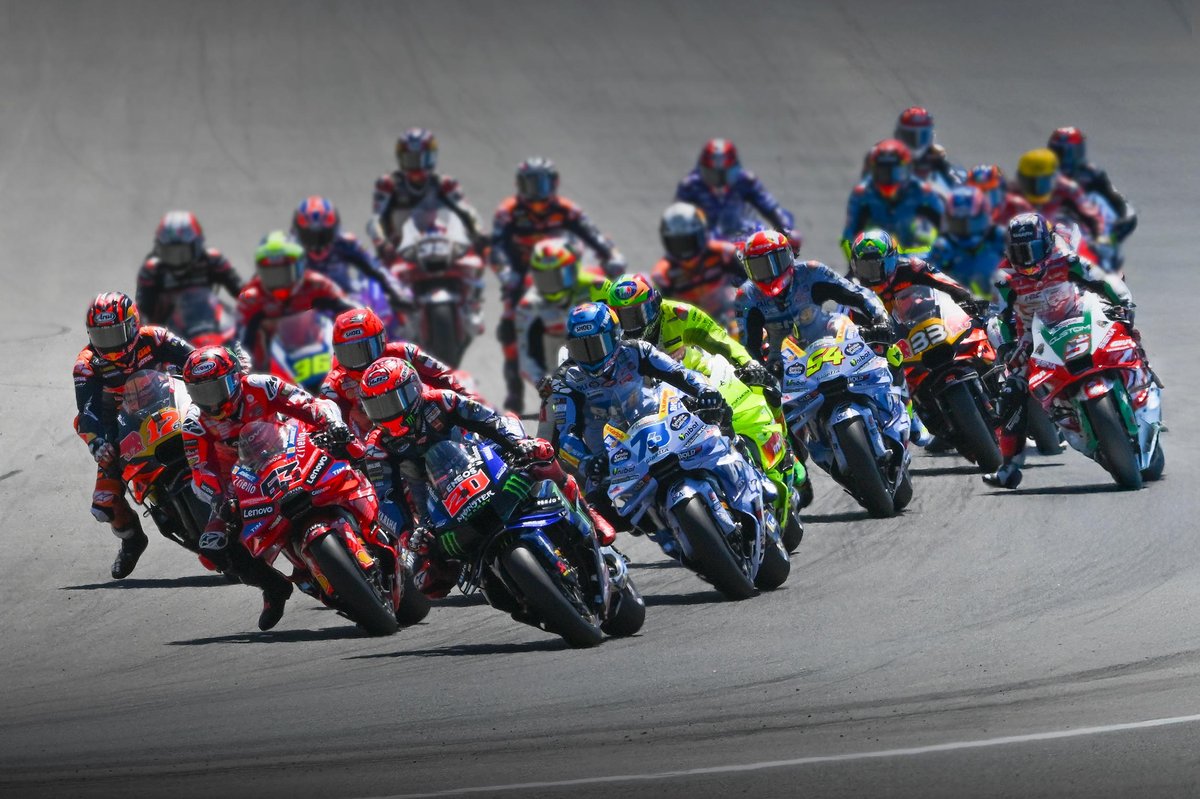
1. Rider Lineup Shake-Ups: The Biggest Moves of the 2026 Season
The 2026 MotoGP grid is arguably the most shuffled in a decade. The biggest headline is Marc Márquez's full-time switch to the factory Ducati Lenovo Team, pairing him with reigning champion Francesco Bagnaia. After a year of adaptation on the Gresini Ducati in 2024 and a factory-backed satellite ride in 2025, Márquez is now on the same machinery as Bagnaia, setting up a potentially explosive intra-team rivalry. Ducati's decision to promote Márquez signals a win-now mentality, but it also creates a high-pressure environment where both riders know the other is capable of winning the title.
Over at Yamaha, the Monster Energy Yamaha team has undergone a major overhaul. Fabio Quartararo remains the team leader, but he now has a new teammate: Pedro Acosta, the young Spanish sensation who moved from KTM after two impressive seasons. Acosta's aggressive riding style and raw speed could push Quartararo to new heights, but it also raises questions about Yamaha's ability to provide a bike that can consistently challenge Ducati's dominance. Meanwhile, Honda has signed Jorge Martín from Pramac Racing to lead its factory effort, hoping his 2024 championship-winning form can revive the struggling Japanese manufacturer. Martín's move to Honda is a high-risk, high-reward gamble for both parties.
KTM has also made waves by promoting Brad Binder to team leader and signing Enea Bastianini from Ducati to fill the second factory seat. Bastianini's proven race-winning ability on a Ducati makes him a strong candidate to adapt quickly to the KTM RC16. The reshuffling doesn't stop there: Aprilia has secured Maverick Viñales on a multi-year deal, while Gresini Racing has signed Tony Arbolino from Moto2, marking a new wave of talent entering the premier class. These moves have created a grid where nearly every factory team has two riders capable of winning races, making the 2026 championship battle wide open.
Key Stat: The 2026 grid features 8 former MotoGP race winners across the top four factory teams, the highest concentration of proven winners since the 2019 season.
2. Sprint Race Strategy: How Two Seasons of Data Are Reshaping Championship Tactics
The sprint race format, now in its third full season, has fundamentally altered how riders and teams approach a race weekend. With 20 sprint races scheduled for 2026 (each awarding 12 points to the winner), the championship is no longer decided solely on Sunday. Data from the 2024 and 2025 seasons shows that riders who consistently score top-five in sprints gain a significant psychological and points advantage. For example, in 2025, the eventual champion scored 45% of their total points from sprint races, highlighting the format's importance.
Teams have adapted their weekend strategies accordingly. Friday practice sessions are now critical for setting up the bike for both the sprint and the main race, often requiring a compromise setup. Riders like Francesco Bagnaia and Fabio Quartararo have developed a reputation for being strong in sprints, using them to build momentum and pressure rivals. Conversely, riders who struggle with the one-day qualifying and sprint format--such as some rookies or riders on less competitive machinery--find themselves playing catch-up from Friday afternoon.
The sprint race also forces teams to manage tire allocation more carefully. With only 12 sets of slicks per weekend, teams must decide whether to sacrifice a set for a potentially faster qualifying lap or save them for the longer Sunday race. This has led to more strategic tire choices, with some riders opting for harder compounds in the sprint to preserve softer tires for the main event. The data from 2024-2025 shows that riders who finish in the top three of the sprint are 70% more likely to finish on the podium on Sunday, indicating that sprint success correlates strongly with overall race weekend performance. For 2026, expect teams to invest even more in sprint-specific simulations during winter testing.
3. Technical Regulation Updates: What's New for 2026 and How It Affects Bike Performance
The 2026 season introduces several key technical regulation changes aimed at improving safety, reducing costs, and closing the performance gap between manufacturers. The most significant change is the reduction in aerodynamic downforce. After years of increasingly complex aero packages that made bikes harder to follow closely, the FIM has mandated a 15% reduction in maximum wing surface area. This is designed to reduce turbulent air behind bikes, making it easier for riders to slipstream and overtake. Early simulations suggest that this change could reduce top-speed differences between manufacturers by up to 3 km/h, potentially leading to closer racing.
Another major update is the introduction of a standardized rear ride-height device. Previously, manufacturers like Ducati and KTM had developed sophisticated hydraulic systems that lowered the rear of the bike under acceleration, improving traction and reducing wheelies. The new regulation mandates a simpler, mechanically operated device that all teams must use, effectively removing a key technological advantage that Ducati has enjoyed for years. This levels the playing field, particularly for Honda and Yamaha, who have struggled to match Ducati's acceleration out of corners.
Fuel capacity has also been reduced from 22 liters to 20 liters for the 2026 season, pushing manufacturers to improve engine efficiency. This change is expected to affect race strategy, as riders may need to manage fuel consumption more carefully, especially on tracks with long straights like Mugello and Losail. Additionally, the minimum weight for riders and their leathers has been increased by 2 kg to 82 kg, a move aimed at reducing the advantage of lighter riders in acceleration and tire wear. These combined changes are designed to create a more competitive and sustainable championship, but they also present a significant engineering challenge for teams that have built their bikes around the previous regulations.
4. Rookies to Watch and Underdog Teams That Could Surprise This Season
Every MotoGP season brings fresh talent, and 2026 is no exception. The most anticipated rookie is Tony Arbolino, the Moto2 champion who joins Gresini Racing on a Ducati Desmosedici GP25. Arbolino's smooth riding style and consistent race pace made him a dominant force in Moto2, and he has already impressed in preseason testing by posting lap times within 0.5 seconds of the factory Ducati riders. If he can adapt quickly to the physical demands of MotoGP, he could be a regular top-10 finisher and even challenge for podiums by mid-season.
Another rookie generating buzz is Ai Ogura, the Japanese rider who won the 2025 Moto2 title and has signed with Trackhouse Racing. Ogura is the first Japanese rider to graduate to MotoGP since Takaaki Nakagami, and his technical feedback is already being praised by the Aprilia-powered team. His ability to develop the bike could be crucial for Trackhouse's long-term competitiveness. In the underdog category, keep an eye on the RNF Racing team, which has switched to Yamaha machinery for 2026. With a strong technical partnership and the signing of experienced rider Miguel Oliveira, RNF could be a consistent points-scorer and occasionally challenge for top-five finishes.
The most intriguing underdog story is the return of the Suzuki Ecstar team after a two-year hiatus. Suzuki has developed a completely new inline-four engine for 2026, breaking away from the V4 configuration used by most other manufacturers. Early dyno tests suggest the engine has strong top-end power but lacks mid-range torque, which could make it tricky on tight circuits. However, Suzuki's history of innovation--they won the 2020 championship with a similar unconventional approach--means they cannot be dismissed. If riders Álex Rins and Joan Mir can adapt quickly, Suzuki could be a surprise package, especially on fast tracks like Phillip Island and Silverstone. The 2026 season is shaping up to be one of the most unpredictable in recent memory, with talent spread across the grid and technical regulations leveling the playing field.