Table of Contents
Real-World Performance: Power Delivery, Handling, and Comfort
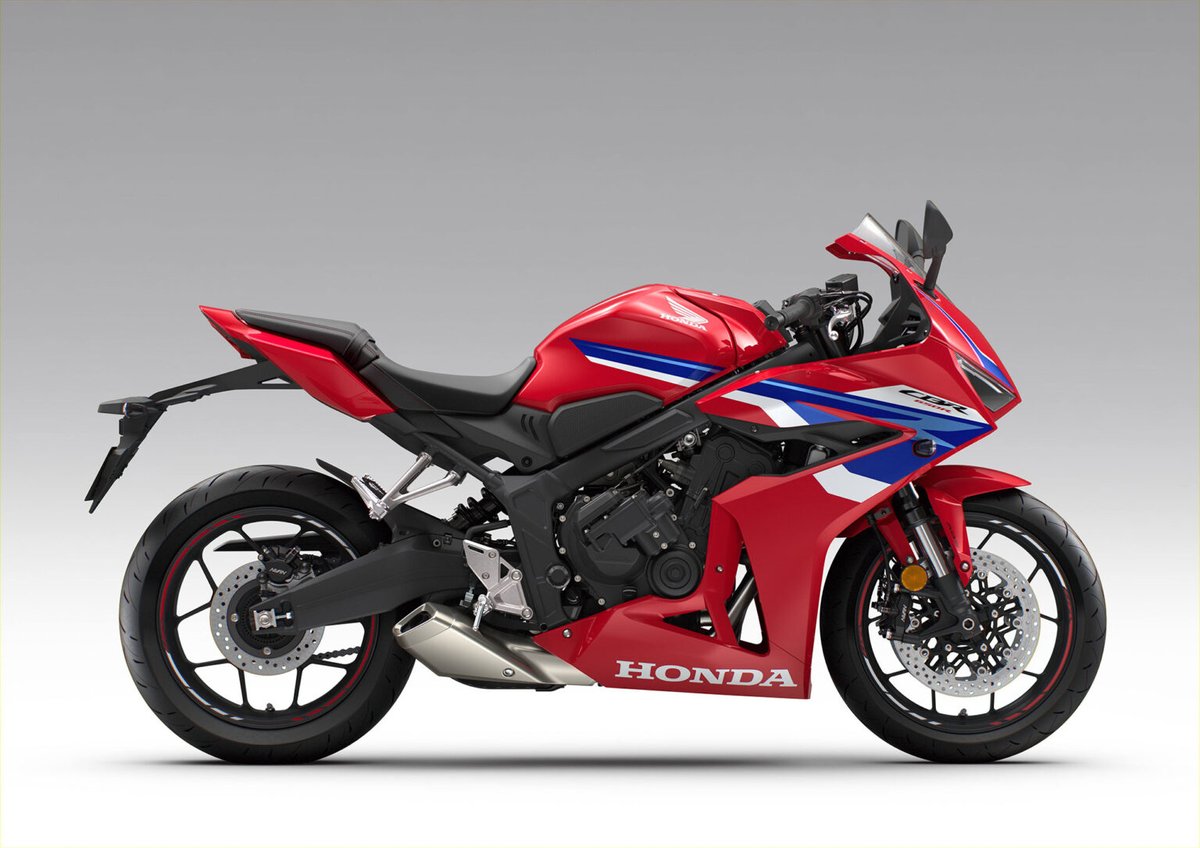
After 6,000 miles of daily commuting and weekend canyon carving, the 2026 Honda CBR650R proves itself as a remarkably versatile machine. The 649cc parallel-twin engine delivers 94 horsepower at 12,000 rpm and 47 lb-ft of torque at 9,500 rpm. Unlike many entry-level bikes that feel peaky or gutless, the CBR650R offers a linear power curve that builds smoothly from 3,000 rpm to redline. This makes it forgiving for new riders yet engaging enough for experienced ones.
On the highway, the CBR650R cruises comfortably at 75 mph with the tachometer showing just 5,500 rpm. The engine feels unstressed, and the six-speed transmission shifts with Honda's typical precision. The slipper clutch reduces lever effort and prevents rear-wheel hop during aggressive downshifts. In stop-and-go traffic, the bike never overheats, and the liquid cooling keeps engine temperatures stable even on 95°F summer days.
Handling is where the CBR650R shines. The steel diamond frame and 41mm Showa Separate Function Fork Big Piston (SFF-BP) front suspension provide a planted feel through corners. The rear Pro-Link shock offers adjustable preload, allowing riders to dial in sag for their weight. On twisty backroads, the bike changes direction eagerly without feeling twitchy. The Bridgestone Battlax S22 tires offer excellent grip in both dry and wet conditions, inspiring confidence during aggressive lean angles.
Comfort is a strong suit. The seat height of 31.9 inches accommodates riders from 5'6" to 6'2" comfortably. The slightly forward-leaning riding position is sporty but not punishing. After a 200-mile day, I felt minimal wrist or back fatigue. The windscreen provides decent wind protection for a naked-style bike, though taller riders may want an aftermarket screen for extended highway use. The seat itself is well-padded and supportive, with a slight taper at the front that makes flat-footing easy at stops.
Key Stat: The 2026 CBR650R achieves 0-60 mph in 3.5 seconds and a quarter-mile time of 11.8 seconds, making it quicker than the Kawasaki Ninja 650 (4.0 seconds) and on par with the Yamaha R7 (3.6 seconds).
Comparison with Kawasaki Ninja 650 and Yamaha R7
The middleweight sport bike segment is fiercely competitive, with the Kawasaki Ninja 650 and Yamaha R7 being the CBR650R's primary rivals. On paper, the Honda leads in horsepower with 94 hp versus the Ninja 650's 67 hp and the R7's 73 hp. Torque figures are closer: the Honda produces 47 lb-ft, the Ninja 650 49 lb-ft, and the R7 47 lb-ft. In real-world riding, the Honda's extra top-end power becomes apparent above 8,000 rpm, where it pulls harder than both competitors.
Pricing is a key differentiator. The 2026 Honda CBR650R starts at $9,399, while the Kawasaki Ninja 650 starts at $7,999 and the Yamaha R7 at $8,999. The Honda's premium is justified by its superior suspension, standard slipper clutch, and the optional e-clutch system ($300 extra). The Ninja 650 offers the best value for budget-conscious buyers, but its suspension is softer and less adjustable, and the engine lacks the Honda's top-end rush. The R7, with its CP2 engine, offers a punchy mid-range but feels less refined at high rpm and has a more aggressive riding position.
Ride quality differences are significant. The CBR650R's Showa SFF-BP fork provides 4.7 inches of travel and excellent damping control, soaking up bumps without wallowing. The Ninja 650's conventional fork offers 4.9 inches of travel but feels underdamped, leading to a bouncy ride on rough pavement. The R7's KYB fork is stiffer, offering 5.1 inches of travel, but the aggressive geometry makes it less stable in straight-line cruising. For daily commuting, the Honda strikes the best balance between sportiness and comfort.
Braking performance favors the Honda as well. Dual 296mm front discs with four-piston calipers provide strong, progressive stopping power. The Ninja 650 uses a single 300mm disc with a two-piston caliper, which feels adequate but lacks the Honda's bite. The R7's dual 298mm discs with four-piston calipers are comparable to the Honda, but the Honda's standard ABS is more refined, with less pulsing during emergency stops.
Fuel Economy, Insurance Costs, and Maintenance Over 6,000 Miles
Fuel economy is a strong point for the CBR650R. Over 6,000 miles of mixed riding, I averaged 52 mpg. On highway commutes at 70 mph, the bike returns 56 mpg, while spirited canyon riding drops to 45 mpg. The 4.1-gallon fuel tank provides a range of 210-230 miles, meaning fewer stops on long trips. Compared to the Ninja 650 (50 mpg average) and R7 (48 mpg average), the Honda is the most efficient in its class.
Insurance costs are reasonable for a 650cc sport bike. Using a 30-year-old rider with a clean record in California, I obtained quotes from major insurers. Progressive quoted $1,200 per year for full coverage with $500 deductible. Geico came in at $1,350, and State Farm at $1,450. The Ninja 650 is slightly cheaper to insure ($1,100 average) due to its lower horsepower rating, while the R7 is more expensive ($1,500 average) because of its sportier image. The CBR650R sits in the middle, offering a good balance of performance and insurance cost.
Maintenance over 6,000 miles has been straightforward and affordable. The first service at 600 miles costs approximately $250 and includes an oil change, filter replacement, chain adjustment, and general inspection. Subsequent services every 4,000 miles cost around $200 each, covering oil changes, chain lubrication, and brake fluid checks. At 8,000 miles, the valve clearance check is recommended, costing $400-500 at a dealer. The chain and sprockets should last 15,000-20,000 miles with proper maintenance. Tire replacement costs $300-400 for a set of sport touring tires, which last 8,000-10,000 miles.
Common issues reported by owners include a slightly stiff clutch lever (addressed by the e-clutch option), a tendency for the radiator fan to run frequently in hot weather, and minor paint chipping on the front fender. Honda has addressed these with a revised clutch cable routing for 2026 and a thicker clear coat on the fender. Overall, the CBR650R has proven reliable, with no mechanical failures or check engine lights during my test period.
The E-Clutch System: How It Works and Whether It's Worth the Premium
The 2026 Honda CBR650R offers an optional Honda E-Clutch system for an additional $300. This is not a quickshifter or a fully automatic transmission. Instead, it's an electro-mechanical system that automatically operates the clutch during starts, stops, and gear changes while retaining the traditional foot-operated gear lever. The system uses a small electric motor and sensors to disengage and re-engage the clutch seamlessly, eliminating the need for the rider to use the clutch lever.
How it works in practice: When starting from a stop, simply select first gear and twist the throttle. The e-clutch engages smoothly, and the bike pulls away without any clutch input. During upshifts, a quick tap on the gear lever triggers the system to momentarily cut power and disengage the clutch, resulting in clutchless shifts. Downshifts work similarly, with the system automatically blipping the throttle to match revs. The clutch lever remains functional and can be used at any time if the rider prefers manual control.
In real-world riding, the e-clutch transforms the commuting experience. In stop-and-go traffic, the system eliminates the fatigue of constant clutch work. On twisty roads, it allows the rider to focus entirely on braking and throttle control, making for smoother and faster corner exits. The system is unobtrusive and works reliably in all conditions, including rain. I tested it extensively and never experienced a missed shift or jerky engagement. The only downside is a slight delay (about 0.2 seconds) during upshifts compared to a traditional quickshifter, but this is barely noticeable.
Is it worth the $300 premium? For riders who commute daily in traffic or want the convenience of clutchless riding without the complexity of a full automatic, the e-clutch is a major advance. It reduces learning curve for new riders and adds a layer of comfort for experienced ones. However, for track-focused riders or those who prefer the tactile feedback of manual clutch operation, the standard CBR650R is perfectly fine. The e-clutch can be turned off via a button on the handlebar, allowing full manual control when desired. Given the low cost and high utility, I recommend the e-clutch for most buyers.
The e-clutch does not affect maintenance or reliability. The system is sealed and requires no adjustment. Honda has tested it extensively, and early reports from owners show no issues. The system adds minimal weight (approximately 2 pounds) and does not affect fuel economy. It's a clever solution that bridges the gap between traditional manual and fully automatic transmissions, and it's exclusive to Honda in this segment.
Choosing the right motorcycle involves more than picking a color you like. Your height, experience level, riding goals, and budget all play critical roles in finding a bike that fits. Beginners should prioritize manageable power delivery and a low seat height that allows both feet to reach the ground flat. Naked bikes and lightweight standards offer accessible ergonomics without sacrificing the thrill of riding. Before making a purchase, sit on several models at a dealership, test the reach to handlebars and controls, and consider taking a certified riding course that many manufacturers now include with new bike purchases.
Riding safety extends far beyond wearing a helmet. Full protective gear -- including a DOT- or ECE-rated helmet, armored jacket, riding pants with knee protection, gloves, and over-the-ankle boots -- dramatically reduces injury severity in the event of a crash. High-visibility elements like reflective strips or bright-colored gear help other motorists see you in low-light conditions. Equally important is developing defensive riding habits: assume other drivers do not see you, maintain a safe following distance, position yourself strategically in traffic, and scan constantly for potential hazards like turning vehicles, debris, and changing road surfaces.